Animals in Japanese: 10 animal names you won’t forget
A picture mnemonic for each one
Animal names are among the first words you learn in Japanese, and they’re easy to turn into picture mnemonics. If you’ve never used mnemonics to remember vocabulary, the examples below show how it works. If you get stuck making your own, this post has some ideas.
Read through the list today, then test yourself tomorrow: how many of these animals can you name in Japanese?
I’ve assumed English is your first language, so the sound-alikes are based on English words. Each card has the image, the target and the definition. In Nemasis, you write your own cards, so you can use kana, kanji, romaji, or all three.
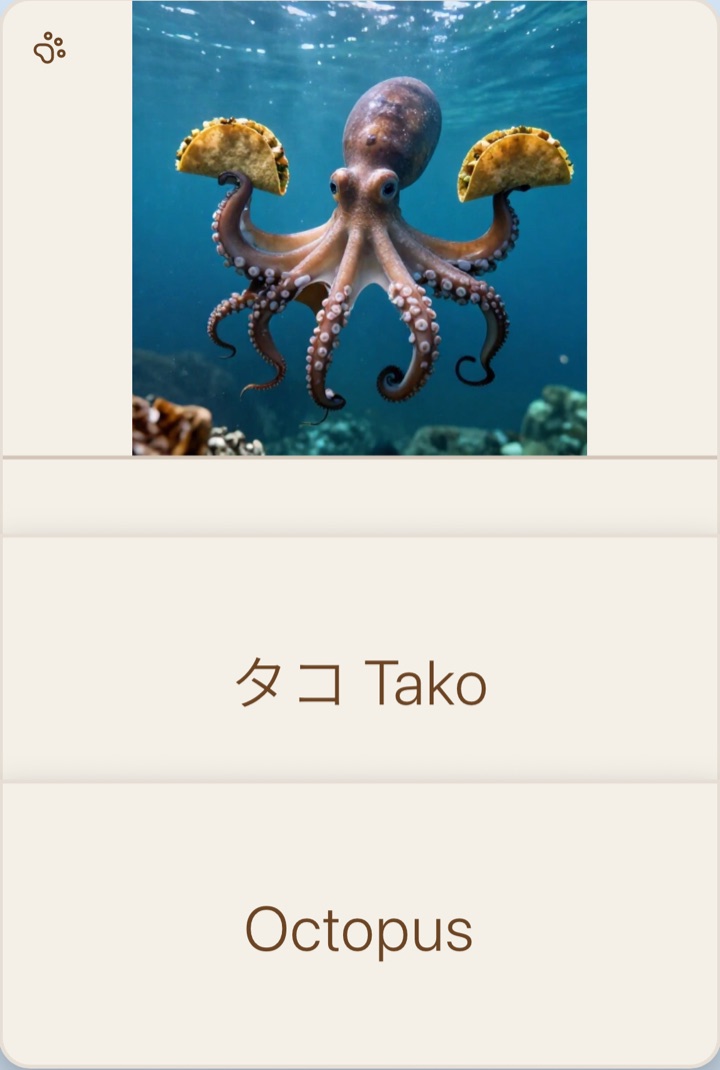
1. Octopus in Japanese: tako (タコ)
This is an easy one. The only tough choice is whether your octopus should hold eight tacos or just one. Mine settled on two.
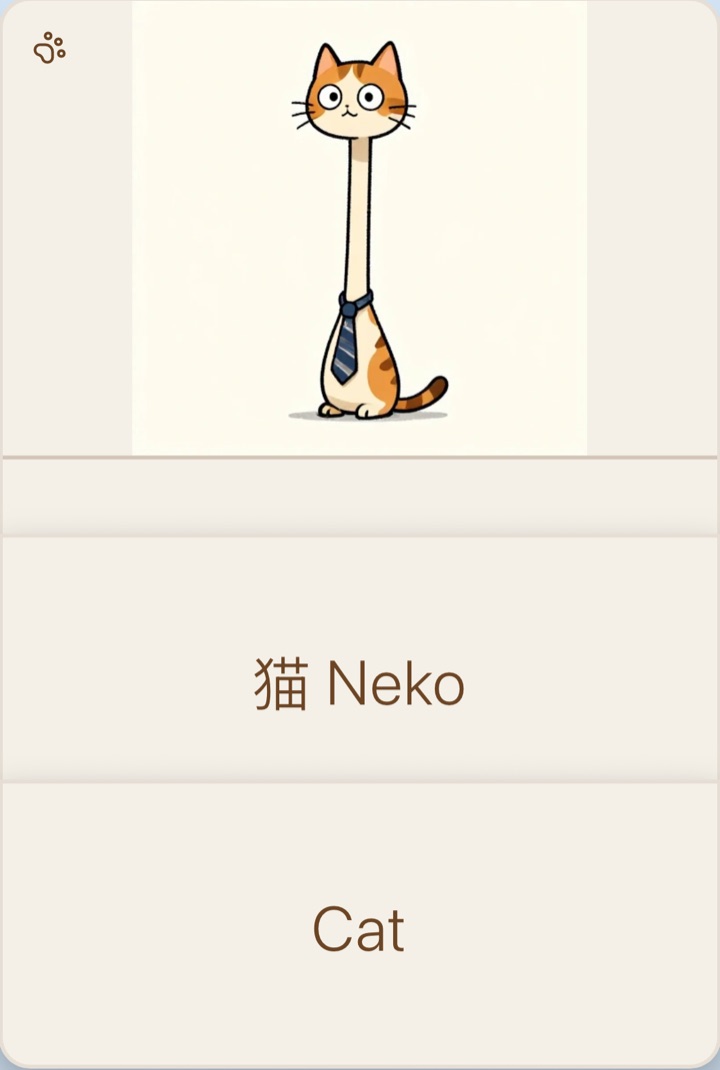
2. Cat in Japanese: neko (猫)
A cat with a long neck and a necktie should help you remember that neko is cat.
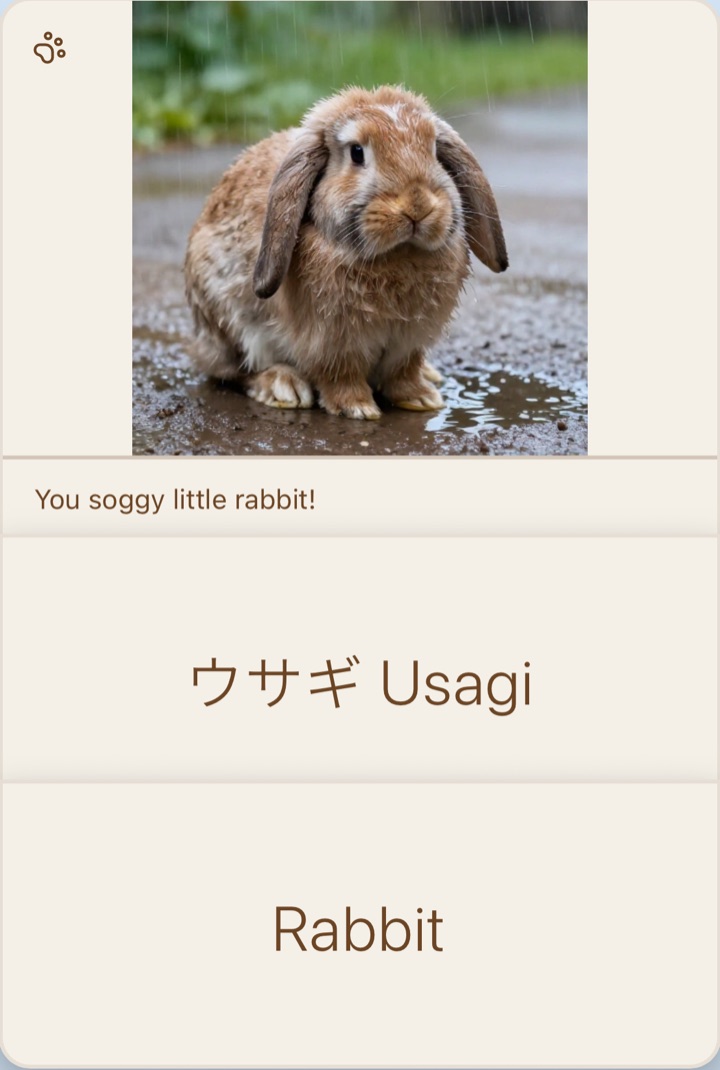
3. Rabbit in Japanese: usagi (ウサギ)
Usagi may sound like “soggy” or “saggy” to you. I chose soggy. A rain-drenched bunny looking so sorry for itself: you soggy rabbit!
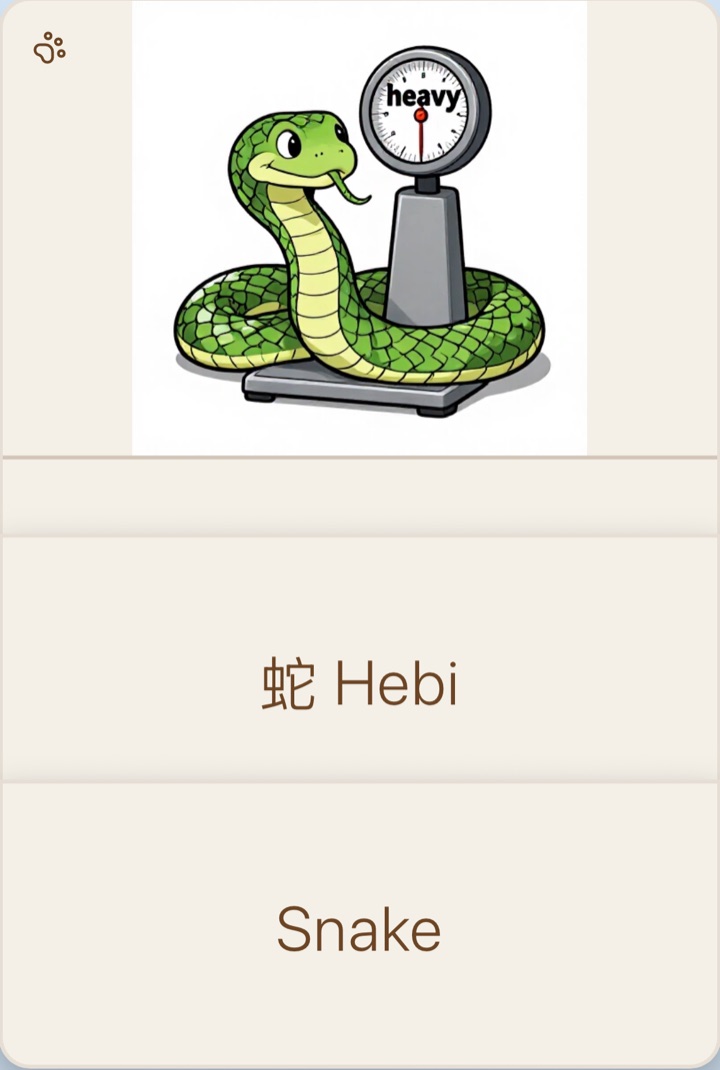
4. Snake in Japanese: hebi (蛇)
If you say it fast enough, hebi can sound like “heavy”. That’s enough of a hook for your brain to remember how to say snake in Japanese.
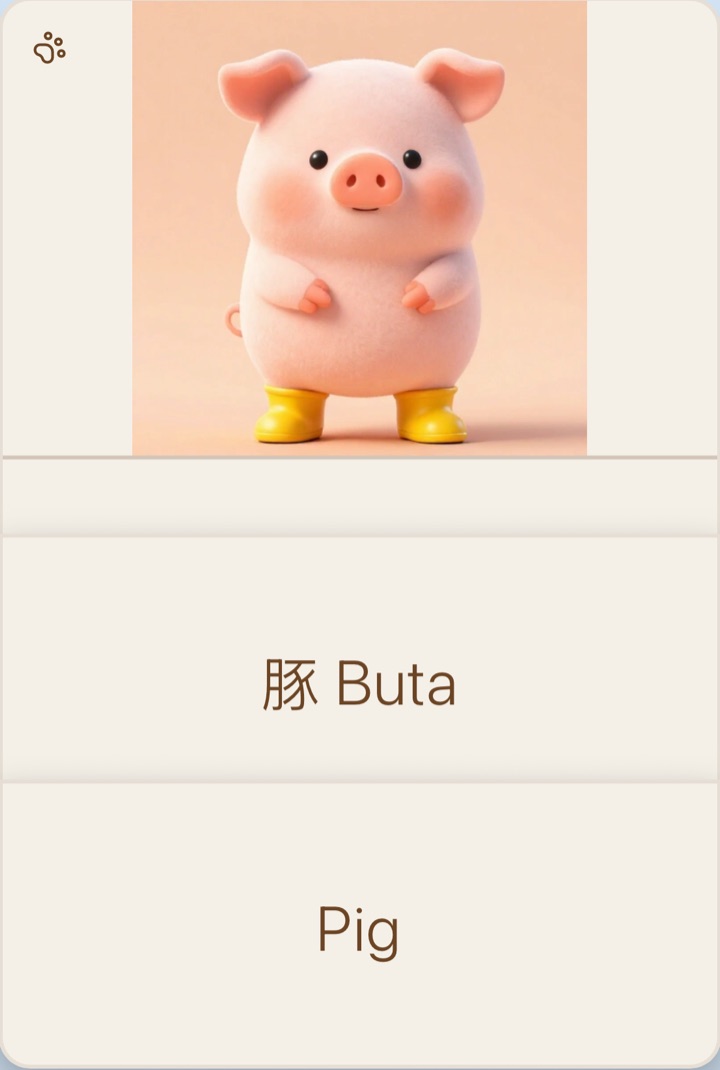
5. Pig in Japanese: buta (豚)
Buta is close enough to “boots”, and a cute little pig in bright yellow rain boots is an unforgettable image.
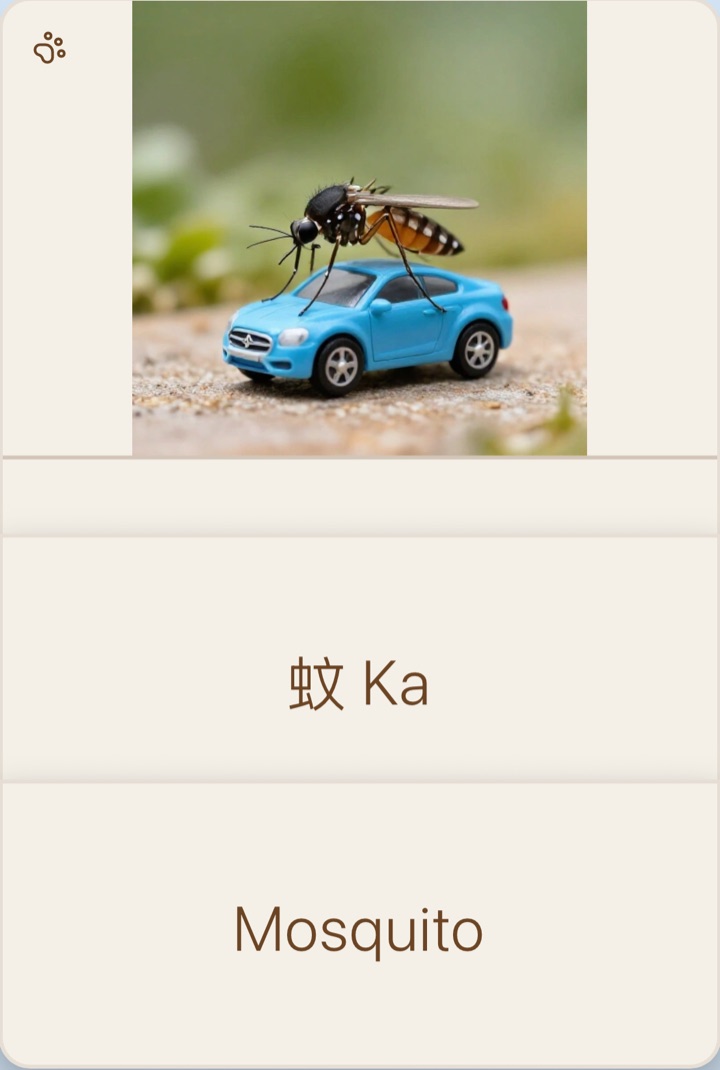
6. Mosquito in Japanese: ka (蚊)
Ka sounds like “car”. A tiny mosquito on a tiny car is a good image to help you remember it.
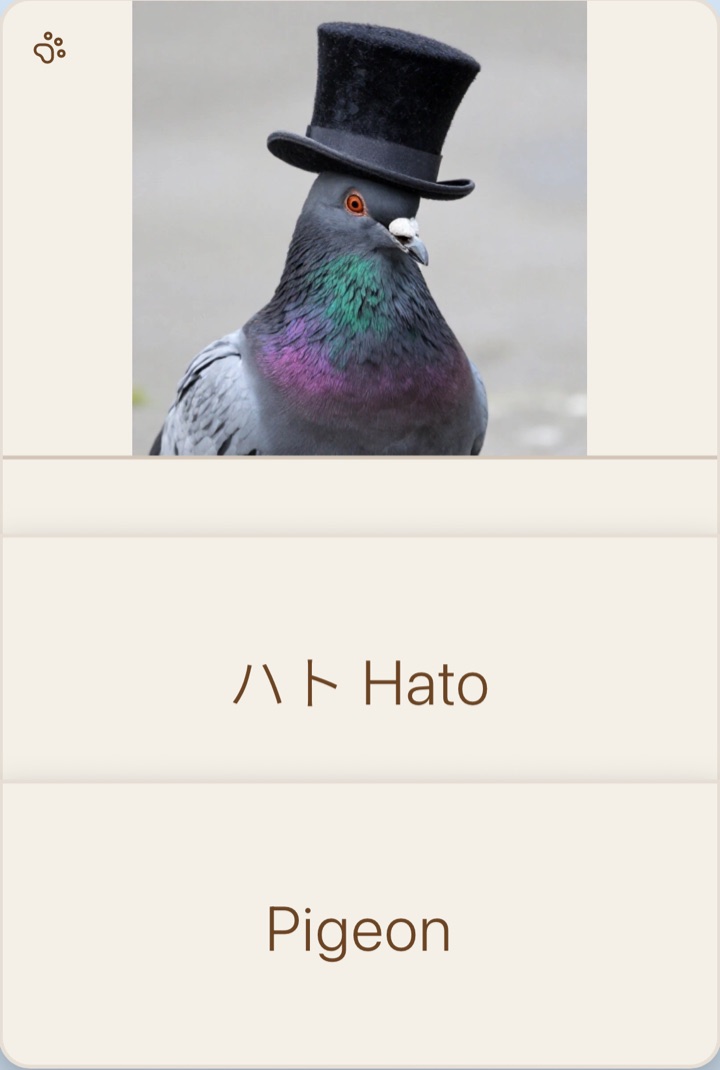
7. Pigeon in Japanese: hato (ハト)
Hato sounds like “hat-oh”, and he looks very fancy in his top hat!
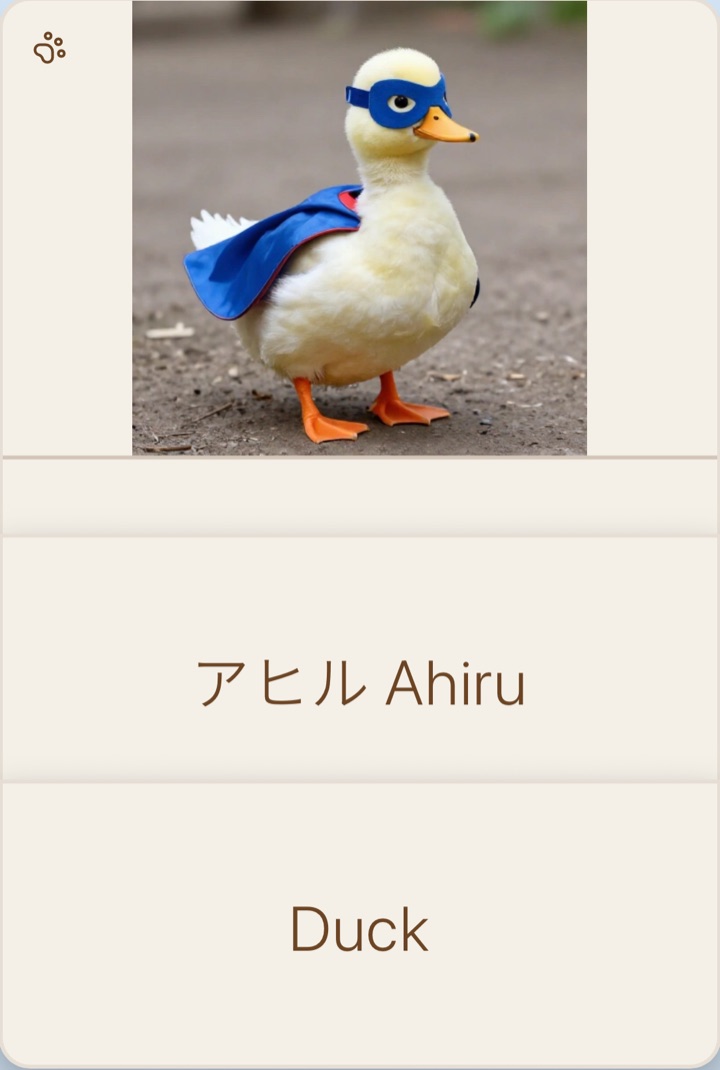
8. Duck in Japanese: ahiru (アヒル)
Ahiru may sound like “a hero” to you. A duck in a superhero cape may help you remember it. I’m not sure whose day she’s saving, though.
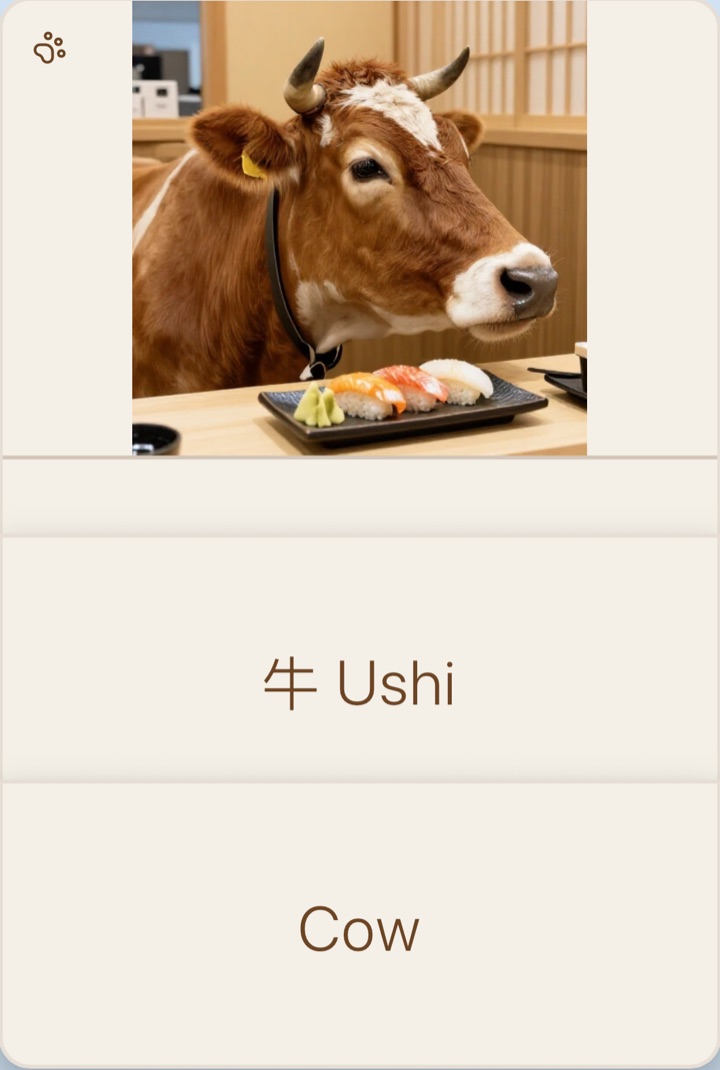
9. Cow in Japanese: ushi (牛)
Ushi might remind you of sushi. A cow at a sushi restaurant is just silly enough to stick.
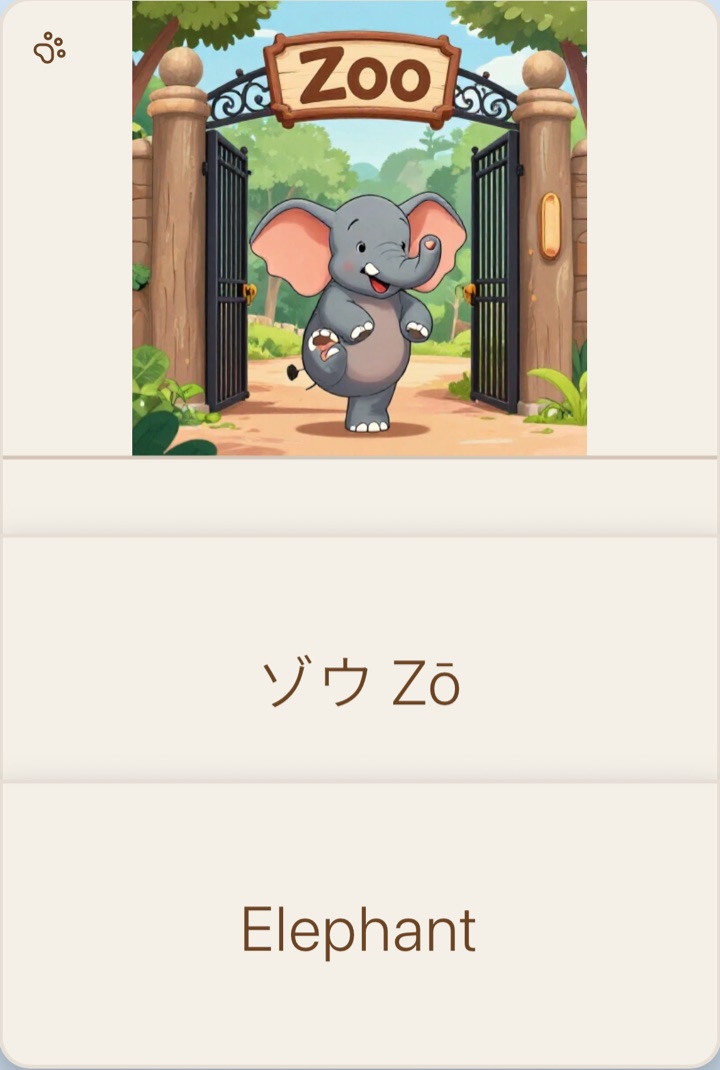
10. Elephant in Japanese: zō (ゾウ)
Zō sounds like “zoo”. An elephant tiptoeing out of the zoo should be enough of a reminder.